


Osiris and the Mysteries of Death, Rebirth, and Initiation
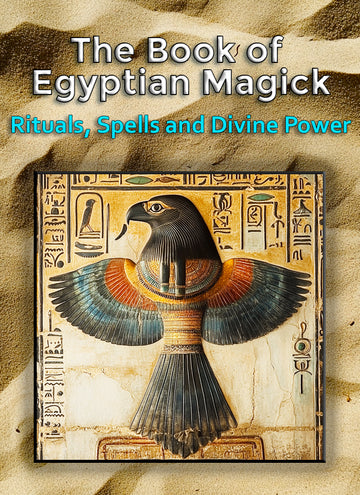
Osiris and the Mysteries of Death, Rebirth, and Initiation
Osiris, one of the most significant deities in ancient Egyptian mythology, embodies the concepts of death, resurrection, and the eternal cycle of life. As the god of the afterlife and the ruler of the Duat (the underworld), Osiris plays a central role in the mysteries of death, rebirth, and spiritual initiation. This chapter delves into Osiris's attributes, his mythological narrative, and the profound spiritual teachings derived from his life, death, and resurrection.
1. The Nature and Attributes of Osiris
Divine Characteristics
Osiris is often depicted as a mummified king adorned with a white crown, symbolizing his connection to the afterlife and his role as a god of fertility and agriculture. His attributes include:
• God of the Afterlife: Osiris presides over the underworld and governs the fate of souls after death. He is responsible for judging the deceased and determining their eternal destiny.
• Symbol of Resurrection: Osiris embodies the cycle of life, death, and rebirth. His resurrection signifies the promise of renewal and the possibility of eternal life.
• God of Fertility and Agriculture: Osiris is associated with the growth of crops and the fertility of the land, linking him to the seasonal cycles of nature.
Symbolism of Osiris
Osiris is often depicted with the crook and flail, symbols of kingship and authority. The green skin that sometimes characterizes his depictions symbolizes rebirth and regeneration, reflecting his connection to agriculture and the annual flooding of the Nile.
2. The Myth of Osiris
Origins and Family
Osiris is the son of the earth god Geb and the sky goddess Nut. He is the brother and husband of Isis and the father of Horus. The relationships within this divine family are crucial to understanding the themes of love, sacrifice, and resurrection in Osiris's story.
The Murder of Osiris
The central myth of Osiris revolves around his murder by his brother Set, the god of chaos and disorder. Set's jealousy of Osiris's power and popularity leads him to conspire against him.
• The Trick: Set tricks Osiris into entering a beautifully crafted coffin, which he then seals and throws into the Nile. Osiris drowns, marking the beginning of his transformation into the god of the afterlife.
Isis's Quest for Osiris
After Osiris's death, Isis embarks on a perilous journey to locate his body. Her determination and magical abilities enable her to find and retrieve the pieces of Osiris, which Set had scattered.
• Reassembly and Resurrection: Using her knowledge of magic, Isis reassembles Osiris's body and performs rituals to resurrect him. This act not only restores Osiris to life but also cements his role as the god of the afterlife.
3. The Mysteries of Death and Rebirth
The Cycle of Life and Death
Osiris’s death and resurrection symbolize the cyclical nature of existence, reflecting the agricultural cycles of planting, harvesting, and renewal. His myth emphasizes that death is not an end but a transition, paving the way for rebirth.
• Symbolism of the Nile: The annual flooding of the Nile, which revitalizes the land, parallels Osiris's resurrection. Just as the Nile brings life to the crops, Osiris’s rebirth represents hope and renewal for the deceased.
The Weighing of the Heart
In the afterlife, Osiris presides over the judgment of souls during the "Weighing of the Heart" ceremony. This process determines the worthiness of the deceased to enter the afterlife.
• The Heart vs. the Feather: The heart of the deceased is weighed against the feather of Ma’at, symbolizing truth and justice. If the heart is lighter than the feather, the individual is granted passage to the Field of Reeds, a paradise representing eternal life.
Eternal Life and Spiritual Rebirth
Osiris’s resurrection signifies the possibility of eternal life for all who follow his teachings. Through rituals and proper burial practices, the ancient Egyptians believed they could achieve a similar resurrection, joining Osiris in the afterlife.
4. Initiation and Spiritual Transformation
Mystery Schools and Initiation Rites
The cult of Osiris established mystery schools where initiates underwent spiritual training. These schools emphasized the transformative power of death and rebirth, teaching that true enlightenment comes through facing one's mortality.
• Rituals of Initiation: Initiation rites often involved symbolic death and resurrection experiences. Participants would undergo rituals that mimicked the death of Osiris, allowing them to experience spiritual rebirth and transformation.
Symbolic Death and Rebirth
The initiation process reflected the belief that individuals must undergo a form of death—letting go of their old selves—to achieve spiritual awakening. Through this symbolic death, initiates would be reborn as enlightened beings, embodying the qualities of Osiris.
Teachings of Osiris
The teachings associated with Osiris emphasized virtues such as justice, compassion, and the importance of living in accordance with Ma’at. By following these principles, individuals could align themselves with the divine order and ensure their place in the afterlife.
5. Osiris in Egyptian Culture
Worship and Temples
Osiris was widely worshipped throughout ancient Egypt, with numerous temples dedicated to him. The most notable temple was located at Abydos, where elaborate rituals and festivals celebrated his resurrection and the promise of eternal life.
Festivals Celebrating Osiris
1. The Osiris Mysteries: This festival involved dramatic reenactments of Osiris's death and resurrection, allowing participants to experience the themes of loss, renewal, and hope.
2. Wepet Renpet Festival: Celebrated at the beginning of the new year, this festival honored Osiris’s role in fertility and regeneration, emphasizing the connection between his resurrection and the agricultural cycles.
Art and Iconography
Osiris is often depicted in art as a mummified figure, symbolizing his connection to death and the afterlife. His representations frequently include the ankh, representing life, and the sistrum, symbolizing joy and celebration.
6. Legacy of Osiris in Modern Spirituality
Influence on Later Traditions
The mythology of Osiris has influenced various religious traditions throughout history, including Greco-Roman beliefs and modern spiritual practices. His themes of death, rebirth, and spiritual transformation resonate across cultures and eras.
Modern Interpretations
Many contemporary spiritual movements draw inspiration from Osiris’s teachings. The concepts of personal transformation, the cyclical nature of life, and the quest for eternal life continue to inspire individuals seeking deeper spiritual understanding.
Osiris stands as a powerful symbol of death, resurrection, and spiritual initiation in ancient Egyptian spirituality. His mythological narrative highlights the interconnectedness of life and death, emphasizing the potential for renewal and transformation.
Through his role in the afterlife and the practices surrounding initiation, Osiris imparts profound lessons about the nature of existence, the importance of living virtuously, and the promise of eternal life. His enduring legacy continues to inspire individuals on their spiritual journeys, reminding them of the transformative power of death and the hope for rebirth.


